
Short answer
In a central satellite system, it shows where the problem is by how many apartments and which channels are affected. If there is no picture in the whole building, the problem is in the dish, the LNB or the multiswitch supply. If only some channels are missing, one output of the LNB or one input of the multiswitch is faulty. If the problem is in a single apartment, the apartment line, connector, wall outlet or satellite receiver is checked.
How does the system work?
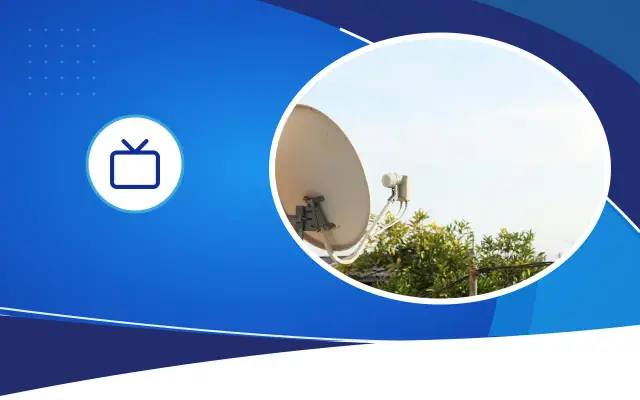
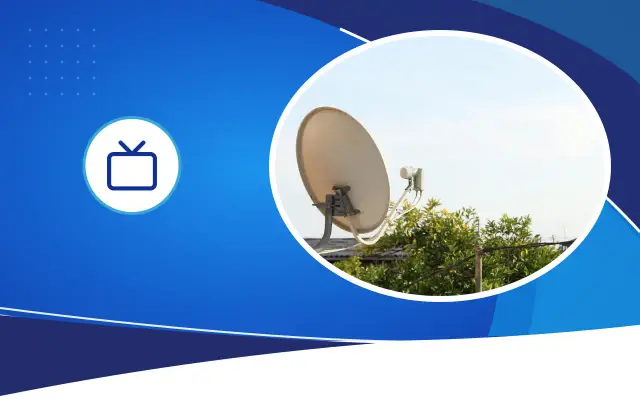
In the central satellite system in apartment buildings and housing estates, there are one or several dishes on the roof. The LNB at the focus of the dish receives the signal from the satellite and makes it suitable for the cable. In central systems a four-output LNB is generally used; each output carries a part of the satellite’s broadcasts. These four lines come to the distribution device in the building called a multiswitch.
The multiswitch connects the right line to each apartment according to the request coming from that apartment’s satellite receiver. Whichever channel is selected from the apartment, the receiver sends a signal to the multiswitch, and the multiswitch passes the band containing that channel to the apartment. In large buildings, several multiswitches are connected one after another, and the losses in between are made up with amplifiers.
Knowing this structure makes finding the fault easier. How many apartments and which channels the problem affects shows at which link of the chain the fault is.
First, answer these questions
Before calling technical service, ask a few neighbors to learn the extent of the problem. This information helps the service look in the right place and saves time:
- Is the problem in the whole building or in some apartments?
- Have all channels gone, or only some?
- Is the problem concentrated on a particular floor or block?
- Did the problem start after a rainy or windy day?
- Has there been recent renovation or electrical work in the building?
- Was the receiver or TV in the apartment changed recently?
Expert note: On a day when everything works, take a photo of the quality and strength values on the receiver’s signal information screen. Looking at the same screen when the fault occurs and comparing shows right away whether the signal has weakened or been cut off completely.
If there is no picture in the whole building
If all apartments lose the picture at the same time, the problem is at the start of the chain. The first place to look is the electrical supply of the multiswitch and the amplifiers. These devices are powered from the building’s common electricity; a blown fuse, an unplugged outlet or a failed adapter stops the whole system. A fuse that does not come back on after a power outage is a common cause.
If the electricity is normal, the roof is checked. Strong wind can shift the direction of the dish by a few degrees, and that shift is enough for the signal to be lost completely. Şanlıurfa’s hard winds and storms in the spring months move dishes that are not well fixed. The LNB itself can also fail from moisture or lightning.
Heavy rain or thick cloud temporarily weakens the satellite signal. If the picture comes back by itself when the weather clears, there is no permanent fault. But if the picture goes out in every rain, the dish alignment is at its limit and needs to be re-aligned.
- Multiswitch supply and fuse
- Dish alignment and mounting
- Connector with moisture
- Damaged or unsuitable cable
- Receiver settings and apartment line
- Line damaged during renovation
If some channels are missing
If the same channels are missing in all apartments and the others are fine, the problem is usually in one of the LNB’s four outputs or in one input of the multiswitch. Because each output carries a part of the broadcasts, the failure of one output takes away all the channels in that part.
This fault sometimes comes from moisture or loosening of the connector fitted to the output. Connectors that sit outdoors on the roof oxidize over time if they are not insulated properly. Cracking of the cable sheath from the sun also lets water in.
If the problem is concentrated on a particular floor or block, the multiswitch or the intermediate cable feeding that area is checked. A connection between multiswitches connected one after another affects all the floors after it.
If the problem is in a single apartment
If everything is normal in the rest of the building and only one apartment has no picture, the problem is in that apartment’s line. The in-apartment check is done first. The cable between the receiver and the outlet, the outlet itself and the receiver settings are reviewed. The receiver’s LNB settings must match the central system; on a newly bought or reset receiver this setting may be left wrong.
If there are several TVs in the apartment and they are all connected from a single line with a splitter, problems can occur. In multiswitch systems each receiver needs its own line; an ordinary splitter cannot meet two receivers asking for different channels at the same time. If there is no separate line, suitable solutions are considered for this situation.
If the in-apartment checks do not solve the problem, the line going to the apartment, the relevant output on the multiswitch and the line’s intermediate connections are checked. Damage to a cable running inside the wall during a renovation, or a connector loosening when an outlet is removed and refitted, are common causes.
The effect of cable and connectors
In central systems, a significant part of signal quality depends on the cable and connectors. Poor-quality or unsuitable cable weakens the signal too much on long runs. Connections tightened by hand or made by wrapping tape loosen over time and pick up interference. Compression-type connectors and suitable cable prevent most of these problems.
If the problem keeps recurring in the system, the cabling needs to be reviewed instead of a temporary repair. In old buildings, cables and splitters added over the years can make the system unstable.
Residents changing outlets or splicing the cable on their own also multiplies the problems. Having changes to the shared system made through the management and by a team that knows the system prevents one apartment’s intervention from affecting the others.
What does the service do?
The service team uses a satellite signal meter to measure the signal level and quality at every point, starting from the roof. Measurements taken at the dish and the LNB output, at the multiswitch input and output, and at the apartment outlet show where the signal is lost.
If the measurement results are kept as a maintenance record for the system, they allow comparison in future problems. For housing estate managements, planning a yearly check of the central system, and going over the roof connections and the dish mounting before winter, reduces faults.
Frequently asked
Why are some channels missing on the central satellite system?
Usually one of the LNB’s four outputs or one input of the multiswitch is faulty. Because each output carries a part of the broadcasts, all the channels in that part disappear. Moisture and loose fittings in the connectors are also checked.
Why does the satellite picture go out in the rain?
Heavy rain temporarily weakens the satellite signal. If the picture goes out in every rain, the dish alignment is at its limit, and the dish size or the LNB may be inadequate. It is re-aligned using measurements.
Can I connect two TVs in an apartment from a single line?
In multiswitch systems, each receiver must have its own line. With an ordinary splitter, two receivers cannot watch different channels at the same time. The system is inspected for an extra line or a suitable solution.
Let’s measure and check your central satellite system
Share which apartments and channels have the problem; the Desa Bilişim team will check the system with a measuring device and suggest a solution.