
Short answer
In hotels and dormitories, TV is distributed in two ways: the classic central TV system, which carries satellite and terrestrial signals to the rooms over coaxial cable, or IPTV, which sends the broadcast over the building’s computer network as IP. Which one is suitable depends on the number of rooms, the existing cabling, and whether extra services such as a welcome screen or a room menu will be offered to guests.
Classic central TV system
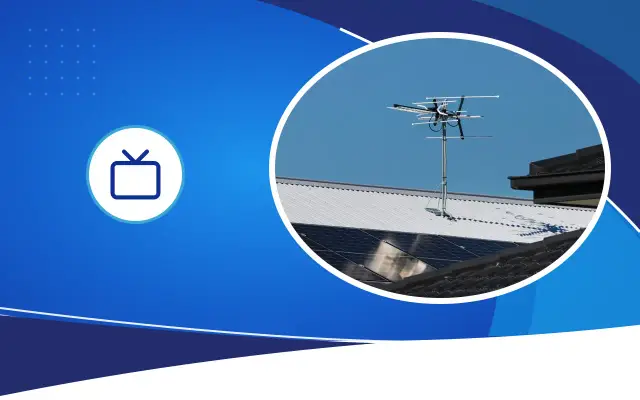
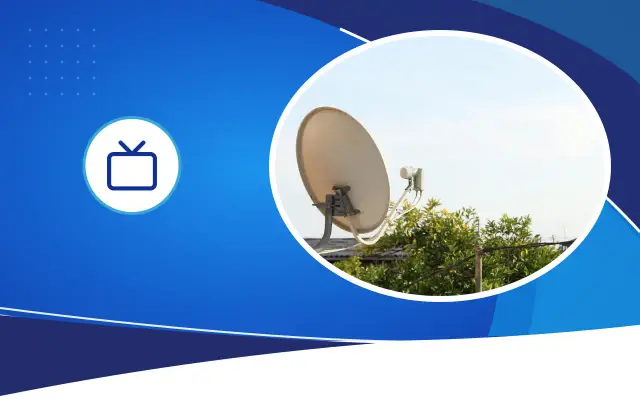
The signal from the dishes and antennas on the roof is converted at a headend unit into channels that the TVs in the rooms can receive directly, and is distributed to the rooms over coaxial cable. The TV in the room does not need a separate satellite receiver; changing channels from the remote is enough.
This setup is simple and durable. In older buildings with a coaxial infrastructure, it can be applied without replacing the cables. The hotel decides the channel list; a guest cannot switch to a random satellite channel, and unwanted channels are left off the list.
The weak side of the system is its flexibility. To change the channel list, add a new channel or send an announcement to the rooms, you have to work on the headend unit. Sending any content other than channels to the TVs in the rooms is not possible in this setup either.
What is IPTV and what does it provide?
In IPTV, the channels are still received from the dish on the roof, but at the headend unit they are converted into streams to be sent over the network. These streams reach the IPTV-capable TVs or small receiver boxes in the rooms through the building’s local network and Ethernet cables.
Because it runs over the network, content other than channels can also be sent to the screen.
IPTV systems usually come with management software. Reception or technical staff use this software to edit the channel list, change the welcome text and send messages to certain rooms. Some systems can connect to the hotel’s reservation software and bring the guest’s name onto the screen automatically; whether this connection is possible depends on the software used.
- Welcome screen that opens with the guest’s name
- Hotel introduction, restaurant menu and event announcements
- Interface in multiple languages
- Announcement and rules screen in dormitories
- Sending messages centrally to the screens in all rooms
Expert note: Running IPTV on the same line as the network guests use for the internet, without separating them, weakens both broadcast quality and security. TV broadcast should be kept on a separate virtual network (VLAN).
When to choose which?
If the number of rooms is small, the only need is to watch channels, and the building has a solid coaxial infrastructure, classic central TV is a sensible choice. Its installation and maintenance require less network knowledge.
If the hotel is being newly built or renovated and an Ethernet cable will be run to the rooms anyway, IPTV can remove the need for a separate coaxial installation. For businesses that care about the guest experience and want a welcome screen or in-room information, IPTV is more flexible.
In dormitories, the common-area TVs and the number of rooms are usually what decide. If broadcast to the shared lounges is enough, a small central TV system does the job. If you want a screen and announcements in every room, IPTV comes to the fore.
When deciding, you should not look only at today’s need. If you plan to renovate the rooms, replace the TVs or build an extra building within a few years, the infrastructure should be chosen accordingly. It is possible to start with a coaxial installation and move to IPTV later, but if there is no network cable to the rooms, the transition requires renovation work.
In businesses with few rooms, such as guesthouses or small hotels, you sometimes see a separate satellite receiver in every room. This setup looks simple at first, but the channel list has to be set separately in each room, and remote and receiver faults have to be dealt with one by one. A small central system gathers this work in one place.
Network infrastructure for IPTV
The quality of IPTV depends on the quality of the network. Channel streams carry continuous data and can slow down the whole building on an unmanaged network. Before installation, the following points should be checked: whether the switches (switch) can manage multicast, the category and condition of the cable running to the rooms, defining a separate VLAN for the TV broadcast, and connecting the devices in the server room to an uninterruptible power supply.
If the existing network was set up only for internet access, the network devices may need to be re-evaluated before IPTV is added. That is why the IPTV decision should be made together with the network infrastructure.
Channel list and broadcast rights
Distributing free-to-air satellite channels to rooms in a commercial business is a different matter from distributing encrypted or paid channels. To give the channels of paid platforms to rooms, a separate commercial agreement with the platform is required. It is wise to talk to the broadcaster and, if necessary, a lawyer about which channel can be broadcast under which conditions.
When preparing the channel list, the guest profile should be considered. National channels for domestic tourists and business travelers coming to Şanlıurfa, a few international news channels for foreign guests, and education and news channels for dormitories are commonly requested.
Keeping the channel list short and organized makes things easier for the guest. Instead of a list with hundreds of channels in random order, a sequence that groups news, sports, children’s and foreign-language channels should be preferred. Making the list match the numbers on the room card reduces questions to reception.
In-room screen and remote setup
Hotel TVs often run in hotel mode. In this mode, the guest cannot change the settings, the volume does not go above a certain level, and each time the TV is turned on it starts from the same channel or the welcome screen. This way, a setting changed by one guest does not carry over to the next guest.
In dormitories, the screens in the common lounges are in the foreground. Needs such as the screen turning off at a certain hour at night or announcements also being sent to the dining hall and entrance screens are common.
- Welcome screen or a fixed channel at power-on
- Volume limit
- Locking the settings menu
- Automatic shutdown at night
- Simple button layout on the remote
Installation and maintenance
The headend unit and network devices should be kept in a cool, ventilated server room. A headend unit in a room that overheats in the summer months can cause channels to freeze or disappear.
A short check before the season reduces complaints during the busy period. Channels, the welcome screen and the volume limit are tested in a few rooms, and the mounting of the dishes on the roof is checked.
Frequency changes by satellite operators occasionally require channel tuning. Being able to make these adjustments remotely makes maintenance easier. Desa Bilişim plans central TV, IPTV and the network infrastructure together in hotels and dormitories, and prepares a written quote after an on-site inspection.
Frequently asked
Does IPTV need an internet connection?
Satellite and terrestrial channels are received from the roof and distributed over the local network, so the channel broadcast is not tied to the internet. The internet is needed for remote management, updates or internet-based content.
Do we need to replace the TVs in the rooms?
With classic central TV, usually not. With IPTV, the TV must support this feature, or a small IPTV box must be placed in the room. Compatibility with the current model list should be checked.
Can the two systems be used together?
Yes. In some hotels, coaxial broadcast continues in the rooms while the lobby and restaurant screens are managed over IP. A gradual transition can also be made this way.
Let’s choose the TV infrastructure that suits your rooms
Share the number of rooms and the existing cabling, and let’s assess the two options on site.