
Short answer
In fire alarm maintenance, the panel, backup battery, detectors, manual call points, sounders and strobes are tested one by one; dirty detectors are cleaned or replaced and the results are recorded. The maintenance and test intervals are determined together by the regulation, the relevant standards, the manufacturer's instructions and the building's fire project. The building manager's duty is to make sure this schedule is written down and carried out.
Why is maintenance neglected?
A fire alarm system can sit for years without ever being activated. That is why maintenance is quietly postponed in most buildings. One day the panel's fault light comes on, nobody knows what it means, and after a while the light becomes part of the building.
The problem is that you can only know whether the system will work when it is needed by testing it. A detector filled with dust detects smoke late. A battery at the end of its life silences the panel within minutes on a night when the power is out. A broken sounder cable does not let half the building hear the alarm.
The cost of maintenance is part of protecting the money you paid for installation. A system that is not maintained gives the same result as a system that was never installed, both at an inspection and at the time of an incident.
What is checked during maintenance?
In a comprehensive maintenance visit, the technician walks through the system from start to finish. A typical checklist is as follows:
- Reading the panel's event and fault logs
- Measuring the main supply and the backup battery, testing the battery under load
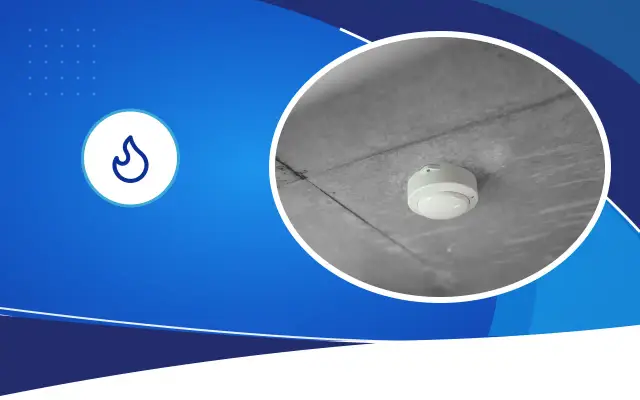
- Triggering every detector with test gas, a heat source or a test device
- Cleaning dirty detectors or replacing those that have reached the end of their life
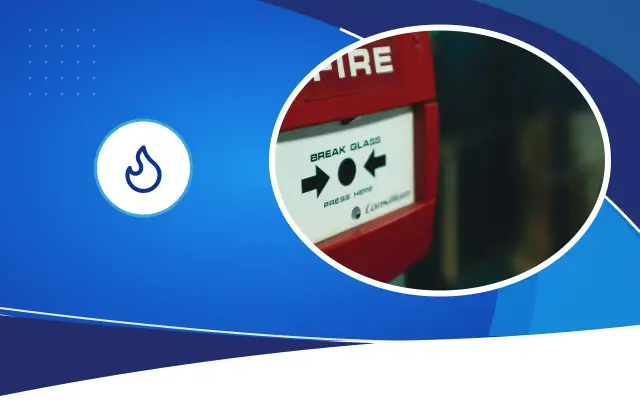
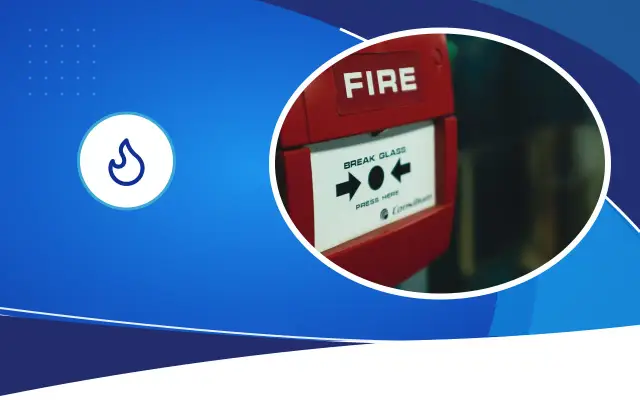
- Trying every manual call point with its test key
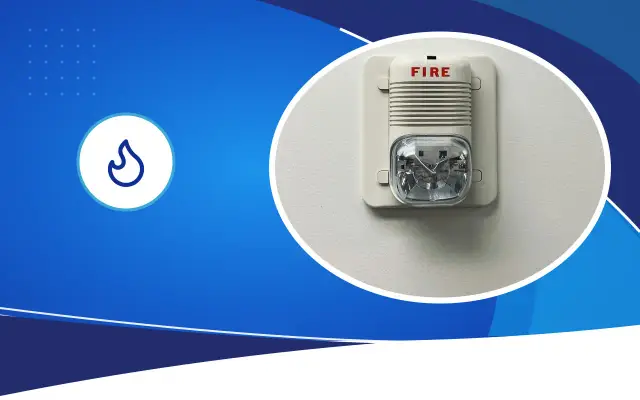
- Checking that sounders and strobes can be heard and seen at every point in the building
- Testing the signals to connected systems such as announcement, ventilation, elevators and doors
- Writing the work done and faults found in the maintenance logbook
How is the building prepared during the test?
People in the building should be informed beforehand on test day. If people start evacuating when the siren sounds, or someone calls the fire department, the test turns into a real alarm. If the panel is connected to a monitoring center or the fire department, the relevant party is notified for the duration of the test.
In addressable systems the test is done zone by zone. The technician triggers a detector and checks that the correct address and the correct description appear on the panel. In conventional systems, it is checked that the zone appears in alarm and that the light on the detector comes on.
When the test is finished, make sure the panel has returned to normal and that no zone remains disabled. A disabled zone forgotten after maintenance is the system's most insidious fault.
Expert note: Ask the maintenance technician to show you the panel's display at the end of the visit. No fault, disabled or test-mode zone should remain on the display. This one-minute check prevents a problem that would go unnoticed in the following months.
- Panel event and fault logs
- Main supply and backup battery
- Testing every detector one by one
- Cleaning of dirty detectors
- Testing manual call points
- Checking sounders and strobes
- Signals to connected systems
- Entry in the maintenance logbook
Who determines the maintenance interval?
Maintenance and test intervals do not come from a single source. The Regulation on Fire Protection of Buildings gives maintenance and inspection to the responsibility of the building. The TS EN 54 family describes the properties of the devices. Manufacturers also give their own recommendations for detector cleaning, battery replacement and device life.
Institutions and insurance companies may also have their own requirements. So instead of applying directly an interval you read online, ask the maintenance company or the designer for a written maintenance schedule for your building. The schedule should clearly state which check is done how often and by whom.
Many maintenance plans consist of two layers: simple checks done by the building attendant at short intervals, and comprehensive maintenance done by a competent company. The attendant's job is simple steps such as looking at whether there is a fault on the panel, testing one call point in turn and listening to the sounder.
Why is a maintenance record kept?
The maintenance logbook shows the system's history. If the same detector turns out dirty at every maintenance, there is a source of dust or steam at that point; the detector type should be changed. If there are frequent faults in the same zone, there may be a problem in the cable line.
One of the first documents asked for at an inspection, an insurance review or after an incident is the maintenance record. The record should contain the date, the work done, the devices tested, the faults found, the parts replaced and the name of the person who did the maintenance.
You can keep the record in a paper logbook or a digital spreadsheet. What matters is that when the manager changes in the building, the record is handed over to the new manager. In housing estates and apartment buildings, the maintenance contract and logbook are often lost during a change of management; a few years later nobody knows when the system was last tested.
Simple checks the building attendant can do
Comprehensive maintenance is done by a competent company; but monitoring the system between two maintenance visits is the job of someone in the building. It is enough for this person to be given short training at the panel, to know what each light means and whom to call.
The attendant can do the following themselves: look every morning at whether there is a fault or disabled warning on the panel; test one call point with its test key in a set order and ask whether the sounder is heard throughout the building; visually check whether there is a plastic bag, dust cover or paint on the detectors; and make sure no cabinet or material has been placed in front of the call points.
Each of these checks is written in the logbook with date and signature. When the attendant sees a problem, they do not intervene on the panel but inform the maintenance company. When a zone has to be disabled on the panel, who did it, when and for what reason should also be recorded.
In Şanlıurfa, it is also a good habit to check the sounders and strobes on the exterior and the detectors near the attic after a dust storm. Fine dust gradually fills the inside of a detector and changes its sensitivity.
After renovation and changes of use
When a wall is demolished, a suspended ceiling is changed or a room is turned into a storeroom, the detector layout may no longer match the old project. If dust covers were put on the detectors during renovation, the covers must be removed when the work is finished. If detectors were painted over during painting, those detectors must be replaced.
When use changes, the detector type may also need to change. If a tea kitchen has been set up in a room that used to be an office, the smoke detector there starts to give frequent false alarms. Tell the technician about this during maintenance.
At Desa Bilişim we maintain and test fire alarm systems that we installed ourselves and ones installed by other companies. We can look at the condition of your existing panel and prepare a written maintenance plan for your building.
Frequently asked
How often should fire alarm maintenance be done?
The interval is determined together by the regulation, the relevant standards, the manufacturer's instructions and the building's project; institutional or insurance requirements may be added. Ask the maintenance company for a written schedule for your building. Simple checks that the building attendant does at short intervals should also be part of this schedule.
The fault light on the panel is on all the time. What should I do?
Note the fault message on the panel's display or the zone that is lit, and report it to the maintenance company. The fault light may indicate a battery, cable, detector or power supply problem. Silencing the light and leaving it means accepting that part of the system is not working.
Can a system installed by another company be maintained?
In most cases it can. The maintenance company needs to know the panel's brand and be able to reach its software and spare parts. At the first visit the general condition of the system is assessed and any shortcomings are reported.
Let's plan your system's maintenance
Share your panel's brand and the size of your building, and we will inspect on site and prepare a written maintenance plan.