
Short answer
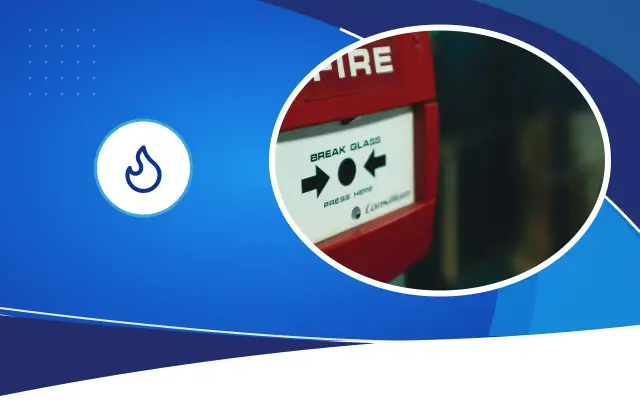
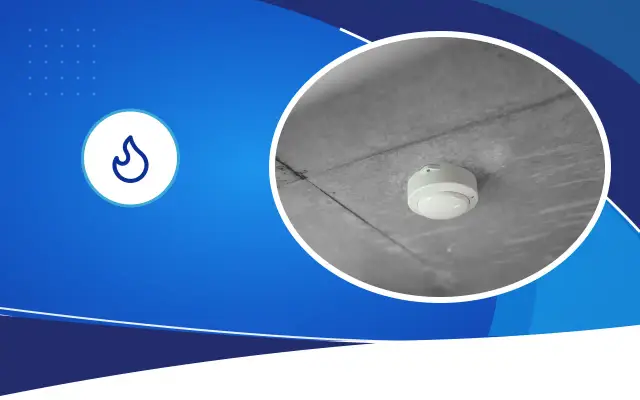
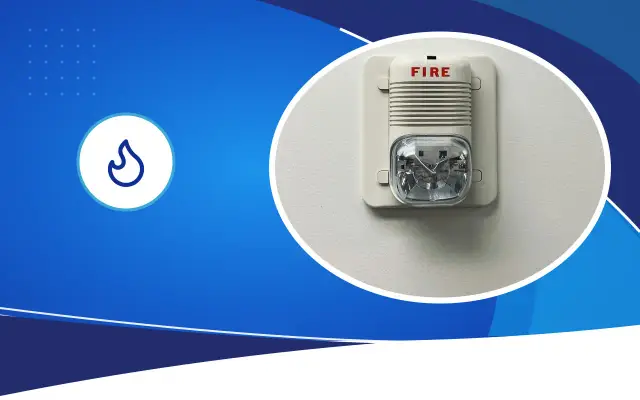
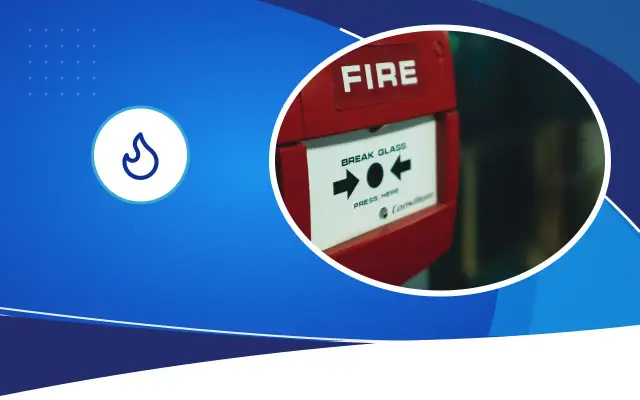
A wireless fire alarm system is a system in which detectors, call points and sounders communicate with the panel over a radio link. It makes sense where running cables is difficult, expensive or would damage the building, for example in historic stone buildings, hotels that stay in operation and temporary areas. In these systems the devices must comply with relevant standards such as EN 54-25, signal measurements must be taken on site, and the batteries must be monitored regularly.
How does a wireless system work?
In a wireless fire alarm system, the panel or a gateway connected to the panel communicates with the devices in the field by radio signal. Detectors, manual call points, sounders and strobes run on batteries and report their status to the panel at regular intervals. When a device does not send a signal, the panel shows this as a fault.
In many systems, devices can relay each other's signals. A detector in a room far from the panel reaches the panel through another device nearby. This structure allows the signal to be passed along another route when a device's connection weakens.
Wireless systems also have a wired side. The panel and gateways need a power supply; in some large installations the gateways are connected to the panel by cable. The need for cable is greatly reduced, but not eliminated.
In which buildings does it make sense?
A wireless system is not a solution to be preferred everywhere instead of a wired one. It stands out where installing a wired system is difficult or has unwanted consequences:
- Historic stone buildings, mansions and protected buildings
- Hotels, hospitals and offices that stay in operation
- Rented buildings and short-term use spaces
- Site offices and temporary structures
- Halls with high ceilings where running cable is difficult
- New sections added to an existing wired system
Expert note: It is also possible to use a wireless system as an addition to an existing wired system. Most of the building stays wired, and only the section where running cable is difficult is protected with wireless devices. For this, the panel and the wireless module must be compatible with each other.
For Şanlıurfa’s historic buildings
In Şanlıurfa, stone mansions in the old city fabric are used as boutique hotels, restaurants and museums. In these buildings the walls are thick, the ceilings are vaulted or wooden, and cutting a cable channel both damages the building and may require a permit. Cable trunking run along the surface, on the other hand, spoils the look of the building.
In these buildings, a wireless system is installed by screwing a small detector base to the ceiling and leaves no trace of cable. However, thick stone walls weaken the radio signal. For this reason, signal measurements are taken on site before installation, and if needed, extra devices or gateways are placed to carry the signal.
Any intervention in protected buildings may depend on the permission of the relevant authorities. Get information on this before installation.
Standard and reliability
For components that work over a radio link in fire alarm systems, there is the EN 54-25 standard. This standard defines the requirements for the reliability of the radio link, its behavior against interference and the detection of signal loss. When choosing a wireless fire alarm system, documents showing that the devices comply with this standard and with the other parts of EN 54 for the system should be requested.
Home-type wireless smoke alarms and a fire alarm system are not the same thing. A home-type smoke alarm sounds its own siren and is mostly not connected to a panel. In a building where the regulation requires a fire detection system, such devices are not a substitute for the system.
Whether a wireless system will be accepted under the regulations depends on the type of building and on the practice of the authority that will approve the project. This should be checked at the design stage.
Battery life and maintenance
The most important maintenance item for wireless devices is the battery. Battery life varies with the device model, how often it sends signals and the ambient temperature. The panel shows devices with weakening batteries as a warning. These warnings must be followed up and the batteries replaced on time.
In a large building, most batteries are installed on the same date, so their replacement times are close to each other. Handling this as a planned maintenance job is more orderly than waiting for the warnings to arrive one by one. After the batteries are replaced, each device's communication with the panel is checked.
Periodic tests are done as in wired systems: detectors are tested with test aerosol, call points are pressed, sounders are run. In addition, signal levels are read from the panel and compared with the values at the time of installation.
Why does the signal weaken?
Changes made in the building after installation can affect the signal. A new partition wall, a metal cabinet, an elevator, or metal cladding added to hotel rooms can weaken a connection that was good before. That is why signal levels need to be checked after renovations.
Other devices working on the same frequency can rarely cause interference too. Systems that comply with the standards detect this and show it on the panel. Communication fault warnings on the panel must not be ignored.
During installation, the signal level of every device should be recorded and this record should be added to the handover documents. At the annual maintenance, the same values are read again. If the signal of a detector in a room has dropped noticeably, a gateway or an extra device to carry the signal can be placed in between before the problem turns into a fault. Without a record, the drop can only be noticed when the device loses the connection completely.
Wired or wireless?
In a newly built building, if conduits can be laid during construction, a wired system usually needs less maintenance and requires no battery monitoring. A wireless system stands out where the damage that cable would cause to the building or the business is large. The decision is made together with the condition of the building, the regulatory requirements and the long-term maintenance plan.
Installation speed is also a factor. In a hotel that stays in operation, rooms may have to be vacated for days for a wired system, while a wireless system can be installed with a much shorter intervention.
Whichever system is chosen, what to do at the moment of an alarm is the same: people are evacuated, the fire department is called, and the location of the fire is found from the zone information on the panel display. In buildings such as hotels and mansions, staff must know these steps and drills must be held regularly.
Frequently asked
Is a wireless fire alarm reliable?
It works reliably when it is installed with devices that comply with the relevant standards, especially EN 54-25, with signal measurements taken on site, and when the batteries are monitored regularly. Home-type wireless smoke alarms, however, are not a substitute for a system.
How long do the batteries of wireless detectors last?
The duration varies with the device model, the signal frequency and the environmental conditions, and is stated in the manufacturer's documentation. The panel shows weakening batteries as a warning.
Can a wireless detector be added to an existing wired system?
It can, if the panel and the wireless module are compatible. This way most of the building stays wired, while the parts where running cable is difficult are protected with wireless devices.
Let us choose the right system for your building together
Share the condition and plan of your building; Desa Bilişim will measure the signal on site and prepare a written quote for a wired or wireless solution.