

Short answer
A fire alarm system consists of detectors that sense smoke, heat or gas early, manual call points, sounders and strobes, and a panel that controls them. The Regulation on the Fire Protection of Buildings determines which system each building must have; the system is designed according to this regulation and how the building is used.
A fire detection and alarm system spots a fire before it grows and warns everyone in the building in time, gaining time for a safe evacuation.
Detector types
Every area has a different risk, and the detector is chosen accordingly.
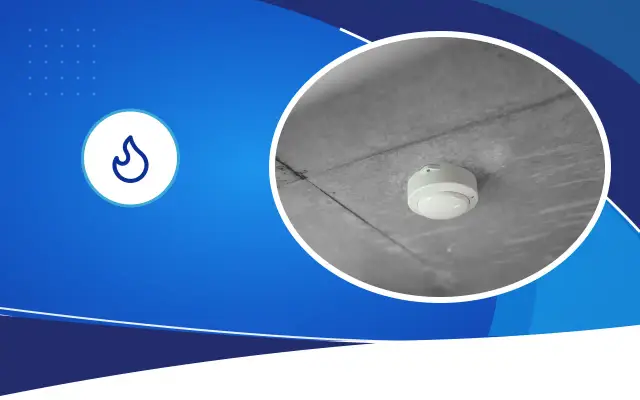
- Optical smoke detector: The most common choice for rooms, hallways, classrooms and offices; it usually detects a fire early.
- Heat detector: Used where smoke or steam could cause false alarms, such as kitchens, boiler rooms and dusty areas.
- Multi-sensor detector: Assesses smoke and heat together, reducing the risk of false alarms.
- Gas detector: Detects gas leaks in areas where natural gas or LPG is used.
- Beam detector: Used in large spaces with high ceilings, such as warehouses, sports halls and exhibition halls.
- 1Smoke and heatThe moment a fire starts
- 2DetectorDetects smoke
- 3Fire panelIdentifies the zone
- 4Sounder and strobeWarns everyone


Addressable and conventional panels
In a conventional system, detectors are grouped into zones. When an alarm goes off, the panel shows which zone it came from; to find the exact spot, you have to check that zone. This is often enough for small and medium-sized buildings.
In an addressable system, each device has its own address. The panel shows exactly which detector or call point raised the alarm. In multi-storey buildings, schools, hospitals and factories, this speeds up response and makes faults easy to find.
Other parts of the system
Detectors are only one part of the system. For the warning to reach everyone, you also need:
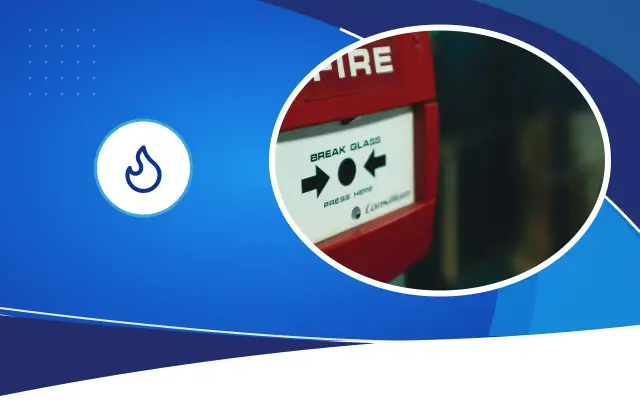
- Manual call point: Lets the person who sees a fire start the alarm by hand; placed near escape routes and exits.
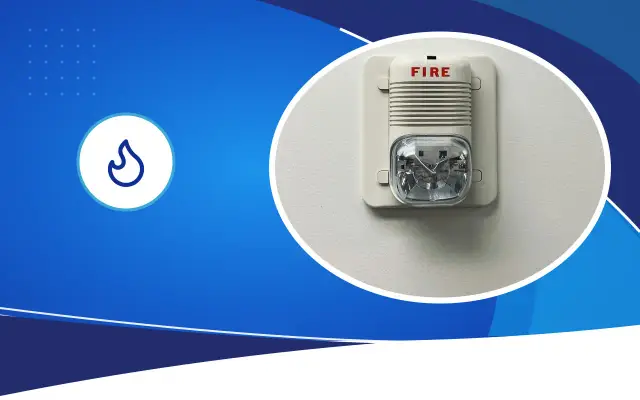
- Sounder and strobe: Give audible and visual warnings; strobes are important for people with hearing impairments and for noisy places.
- Backup power: The panel has batteries that take over during a power cut.
- Integrations: It can work with systems such as voice evacuation, ventilation, elevators and door control.
What you need to know about the regulation
In Türkiye, the main regulation on fire safety is the Regulation on the Fire Protection of Buildings. It sets out which detection and alarm measures are needed according to a building's use, size, height and number of occupants.
That is why it would not be right to give a general answer like “this system is enough for that building.” The right approach is to assess the building within the framework of the regulation and design the system accordingly. Where interpretation is needed, we recommend getting the opinion of the relevant authorities and experts.
Common situations in Şanlıurfa
Schools, mosques, public buildings, warehouses and facilities storing farm produce are buildings we often come across in our region. In dusty warehouses and high-ceilinged areas, choosing the right detector prevents false alarms.
In summer, temperatures rise in attics and technical rooms; the ambient temperature should be taken into account when choosing heat detectors. In large buildings such as the Şanlıurfa Exhibition Center, detection, announcements and evacuation are planned together.
Maintenance and testing
An installed system cannot be relied on if it is not maintained regularly. Maintenance and test intervals are set by the regulation, the relevant standards and the manufacturer's instructions.
Recording the checks carried out and the faults found during maintenance makes it easier to see the system's history and spot recurring problems. When a building is renovated, or walls or partitions change, the detector layout should also be reviewed.
- Testing the detectors and cleaning them if needed
- Checking the manual call points, sounders and strobes
- Checking the condition of the panel and backup batteries
- Reviewing fault and alarm records
Let's assess it together
We install fire alarm systems with Cede Codesec products and carry out maintenance and testing of existing systems. Let's assess your building together and decide on the right system for you.
Frequently asked
Should I use a smoke detector at home?
Smoke detectors placed in the bedroom, hallway and living room give early warning, especially for fires that start at night. In the kitchen, a heat detector is more suitable than a smoke detector.
Why does a fire alarm give false alarms?
Dust, steam, cigarette smoke and choosing the wrong detector are the most common causes. Choosing detectors suited to how the area is used, along with regular maintenance, reduces false alarms.
Can I expand my existing fire alarm system?
In most cases, expansion is possible depending on the panel's capacity and compatibility. First, we need to check the condition of the existing panel and detectors.