Short answer
Şanlıurfa is one of the sunniest provinces in Türkiye, so solar power is a strong option for both rooftop systems and agricultural irrigation. Still, the sun is not the only thing that determines efficiency: the roof's orientation, shading, heat, dust and good design matter just as much.
A solar power system (photovoltaic system) turns sunlight into electricity using panels; it is made up of panels, an inverter, a mounting structure, cabling and, if needed, batteries.
Three basic system types
Depending on your needs, there are three main approaches:
- On-grid system: You use the electricity you generate and draw from the grid when it is not enough. No battery is needed.
- Off-grid (battery) system: Where there is no grid, or it is not wanted, the energy generated is stored in batteries.
- Hybrid system: Combines a grid connection with batteries; it also supplies power during outages.
- 1SunŞanlıurfa’s abundant sunshine
- 2PanelsTurn light into electricity
- 3InverterMakes it usable
- 4Home and irrigationProduce your own electricity


What to check for rooftop systems
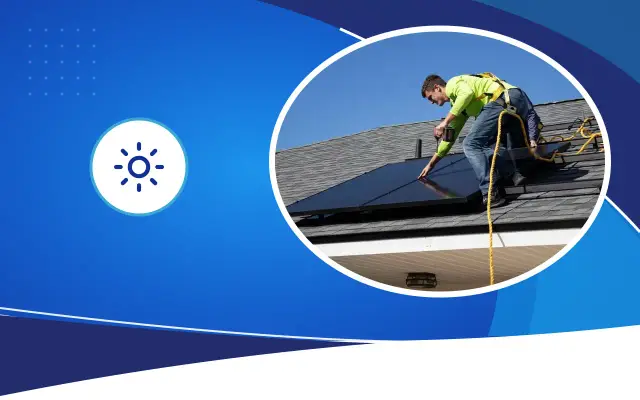
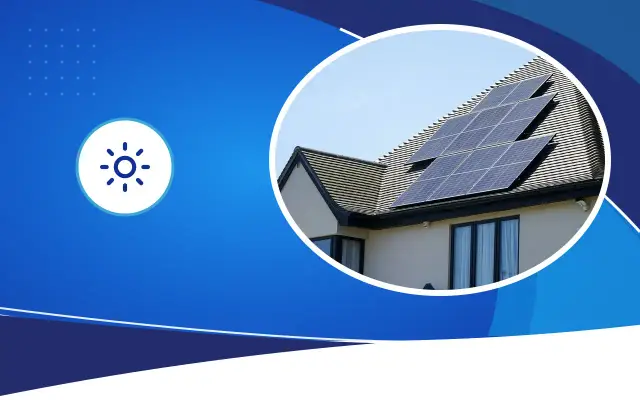
Rooftops of homes, businesses and factories are valuable spaces for solar power. But not every roof is the same; these points are examined before installation:
- Roof orientation and pitch: South-facing surfaces usually produce more.
- Shading: Neighboring buildings, trees, water tanks and chimneys reduce output.
- Load capacity: You need to check whether the roof can safely carry the panels and mounting frames.
- Your electricity use: The system is sized according to the actual consumption on your bills.
- Maintenance access: Safe access to the roof should be planned for cleaning the panels.
Solar power in agricultural irrigation
In our region, especially on the Harran Plain, irrigation is one of the basic needs of farming. In solar irrigation systems, the panels run a submersible or surface pump directly through a pump drive.
Because the pump runs during sunny hours, a battery is often not needed. Water is pumped into a tank or pond during the day and used when needed. This approach is especially useful on land that the grid does not reach or where it is far away.
A good design needs the following information:
- Well depth and the level at which the water stands
- The amount of water needed each day and the irrigation method (drip, sprinkler, etc.)
- The power and type of your current pump
- The size of the area where the panels will go and how shaded it is
Heat and dust: two issues specific to Şanlıurfa
Solar panels lose some of their efficiency when they get very hot. That is why, in summer, it matters to use mounting that lets air flow under the panels and to choose heat-resistant equipment. Placing the inverter in a well-ventilated spot out of direct sunlight also extends its life.
Dust builds up on the panels, blocks light from reaching the cells and lowers output. Panels need regular cleaning, especially on farmland and during harvest time. Safe access and a suitable water source should be planned for cleaning.
Permits and the application process
For on-grid systems, you need to apply to your electricity distribution company and get the required approvals. The process follows the Regulation on Unlicensed Electricity Generation in the Electricity Market and related rules.
The application usually asks for the site location, installed capacity, consumption details and project documents. The installation is connected to the grid only after the required approvals are granted.
Because the regulations are updated from time to time, you should check the current rules before applying. The process is different for off-grid (independent of the grid) systems. We can work out together which steps apply to you.
Checklist before you decide
Before switching to solar power, prepare the following:
- Your electricity bills for the last year
- Measurements and photos of the roof or land
- Well and pump details for irrigation
- Whether you want an on-grid or off-grid system
- Whether your consumption is likely to increase in the future
Let’s plan it together
It would not be right to say anything definite without seeing your roof or land. At Desa Bilişim, we listen to your needs for rooftop and ground-mounted installations, on-grid and off-grid systems, and agricultural irrigation, and we decide together on the right system for you.
Frequently asked
Is solar power efficient in Şanlıurfa?
Şanlıurfa is a province with high levels of sunshine, which is an advantage for solar power. Actual output, however, depends on the roof's orientation, shading, temperature and how clean the panels are.
Do I need a battery for solar-powered irrigation?
Most irrigation systems do not need one; the pump runs while the sun is out and the water is stored in a tank. For special needs such as irrigating at night, batteries or other solutions can be considered.
How often should solar panels be cleaned?
It depends on how much dust there is in the area and on the season. Tracking the panels' output data is the best way to know when they need cleaning.