Short answer
Şanlıurfa is a province with plenty of sun, so a solar panel is a serious option for many homes, businesses and fields. Whether it makes sense depends on your situation: when and how much electricity you use, whether you have a shade-free place for the panels, and your access to the grid. If you can answer these three questions clearly, it is worth doing the calculation.
There is plenty of sun, but the decision is not made by the sun
In Şanlıurfa most of the year is clear. That is a good start for a panel, but under the same sun, one of two neighbors may be happy with the system while the other does not get what they expected. The difference comes from whether the installation was designed for the need.
A solar panel (photovoltaic panel) is a plate that converts sunlight directly into electricity. It does not work on its own; it forms a system together with the inverter (which converts the direct current it produces into the alternating current used at home), the supporting structure, cabling and protection components. You make the decision based on whether this system suits your building, your field and your consumption.
Who does it make the most sense for?
People who use a lot of electricity during the day consume the production directly. That is why a panel stands out most in these cases:
- Homes and businesses with a high air conditioning load during summer daytime hours
- Shops, workshops, schools and offices that work during the day
- Fields and gardens where the irrigation pump runs during the day
- Farm houses, barns and wellheads that the grid does not reach or that are far from it
- Warehouses and factory buildings with a large, shade-free roof
When should you think again?
If there is a tall building, a water tank or a big tree in front of your roof, the panels will be in shade for part of the day. Even if the shade falls on a single panel, depending on how they are connected, it can pull down the production of the entire string. On such a roof, a shade analysis is done first, then the decision is made.
If your consumption is very low or you use most of your electricity at night, a simple grid-connected system may not meet your expectations. Night use requires a battery, and a battery changes the scope of the project. If you are a tenant or plan to leave the building within a few years, agree up front on who will keep the system.
On an old concrete roof, or one in unknown condition, no installation is done until it has been checked whether the roof can carry the extra load of the panels and the mounting structure.
- Amount and time of consumption
- Roof or land area
- Shading
- Summer heat and ventilation
- Dust and access for cleaning
- The grid and current regulations
Three different pictures: home, business and field
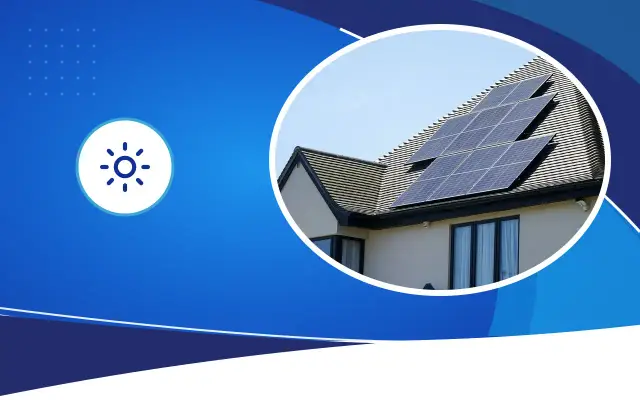
For a detached house, the decision is usually made by looking at the roof. If the roof faces south or west with little shade and the air conditioners run all day in summer, the panels can cover a significant share of your consumption. When the house is empty, the energy produced goes to the grid; how that is credited depends on the rules in force at the time.
The picture is clearer for a business. A shop, workshop or office already works during the day, so production and consumption fall in the same hours. For businesses with constant loads, such as a cold storage room, an oven or a compressor, this match is even stronger. If the roof is rented, you need to agree in writing with the owner on who owns the system and the terms of removal.
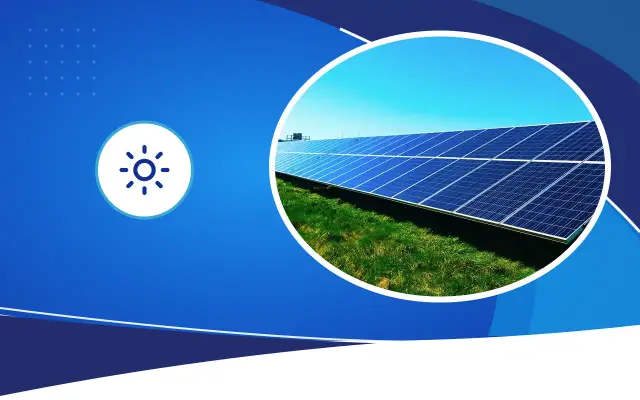
In a field the question is different: where does the electricity come from? If the grid line is far away or the transformer capacity is insufficient, a solar pump system can replace the cost of running a line. Since the pump works during the day and fills a pool or tank, most irrigation systems do not need a battery. But if irrigation lasts only a few months, you should think in advance about what to do with the energy produced in the remaining months.
Heat and dust must be taken into account
Panels lose efficiency as they heat up. In Şanlıurfa summers the roof surface gets very hot, so a mounting that leaves airflow under the panel and equipment suited to the heat are important. Hanging the inverter on a wall that gets direct sun shortens its life; choose a shaded, ventilated spot.
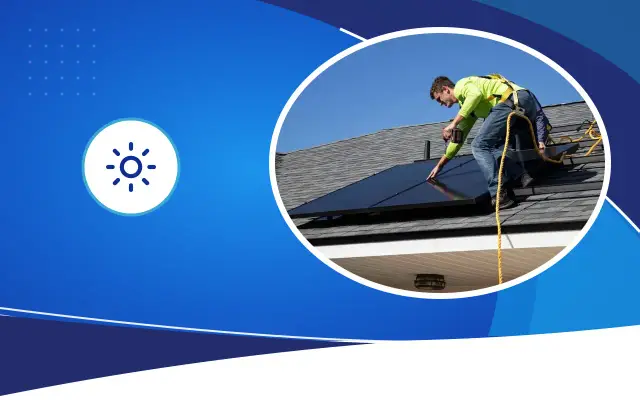
Dust is the second issue. During harvest time and on dusty days in the Harran Plain, a thin layer builds up on the panels and reduces the light reaching the cells. Planning a safe way onto the roof and a nearby water source for cleaning is easier than dealing with it after installation.
The effect of dust and heat varies with the panel type, the tilt and your cleaning habits. So at the site survey, ask how these losses are factored into the production estimate you are given. Monitoring production from the inverter app after installation lets you see when cleaning is needed instead of guessing. If you take notes during the first summer, you will know your system's normal in the following years.
Expert note: When drawing the panel layout, leave walking space between the panels for maintenance. A cramped layout makes cleaning and fault finding harder for years.
What does the payback depend on?
This is the most common question, but there is no single answer. How long the investment takes to pay for itself depends on the system size, your consumption profile, your electricity tariff, how much of the energy you produce you use directly, and the regulations of the time. Since tariffs and the rules for crediting surplus production can change over time, giving a general number of years would be misleading.
The right way is to work out your consumption from the last twelve months of bills and have the production estimated for your roof or land. The payback is calculated for the project; current regulations and any support programs are checked separately at the quote stage.
When comparing quotes, do not look only at the total amount. The panel and inverter brand, the mounting material, the cable cross-section, the protection devices, who will handle the permit procedures and the maintenance terms after installation should all be written in the quote. Two systems of the same power can give very different results over the years because of differences in these items. Also ask what assumptions the production estimate you are given is based on: have shade, dust and temperature losses been taken into account?
What to prepare before deciding
So that the team coming for the site survey can give you a realistic picture, gather this information beforehand:
- Electricity bills for the last twelve months
- Ownership and usage status of the roof or land
- Access to the roof and the age of the roof
- A rough split of your day and night consumption
- Well depth and pump details for irrigation
Expert note: If you plan to add an air conditioner, an electric stove or a new pump in the next few years, tell us at the site survey. Sizing the system for near-future consumption gives a tidier result than adding panels later.
Frequently asked
Does a solar panel produce electricity in winter in Şanlıurfa?
Yes, it does. In winter the days are short and the sun is lower, so production drops compared with the summer months. When the system is designed, the production that changes through the year is taken into account.
How many years does a solar panel take to pay for itself?
There is no fixed period. It varies with the system power, your consumption, the tariff and the rules on how surplus production is used. For a realistic estimate, a project-specific calculation needs to be done together with your bills.
Can a solar panel be installed on an apartment unit?
Because the roof is a common area, a decision needs to be made with the other unit owners. Installation is more often chosen for shared consumption such as common area lighting and the booster pump. For legal details, consult your building manager and, if needed, an expert.
Is your roof or field suitable?
Get your bills ready; Desa Bilişim will look at the site and prepare a written quote based on your roof and consumption.