
Short answer
Warehouses and factories have high ceilings, large areas and often dusty conditions. An ordinary smoke detector mounted on the ceiling may detect a fire late under these conditions or give false alarms because of dust. That is why options such as beam detectors, aspirating smoke detection, flame detectors and heat detectors are used together, according to the risk of the area.
Why does a high ceiling make detection harder?
The smoke produced at the start of a fire is hot and rises. If the ceiling is low, smoke reaches the detector quickly. If the ceiling is very high, the smoke cools and spreads as it rises, and sometimes hangs in an intermediate layer without reaching the ceiling. In warehouses with sheet-metal roofs, the layer of hot air under the roof in summer can also make it harder for smoke to rise.
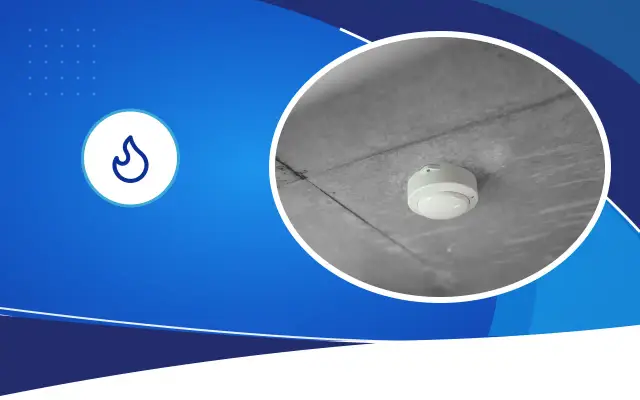
As a result, a point detector on the ceiling detects the fire late. That is why, in high-ceiling areas, the detector type, the ceiling height and the limits the manufacturer gives for that height are assessed together. Which detector is preferred above which height is decided in the design, taking standards and product data into account.
In practice, this means a detector that works well in the low-ceiling office section may be inadequate in the high-ceiling production hall of the same factory. If a facility has different ceiling heights, each section should be assessed separately. Structures such as mezzanines, raised platforms and crane runways also change how smoke reaches the ceiling.
Dusty environments and false alarms
In places such as flour mills, feed factories, textile workshops, marble and stone processing plants or cotton warehouses, there is always fine dust in the air. An optical smoke detector cannot tell this dust from smoke. The result is either frequent false alarms or a detector clogged with dust that has lost its sensitivity.
This is common in warehouses that store cotton and grain from the Harran Plain. Cotton fiber and dust both contaminate the detector and increase the fire load. In such an area, heat detectors, flame detectors or a filtered aspirating system may be more suitable.
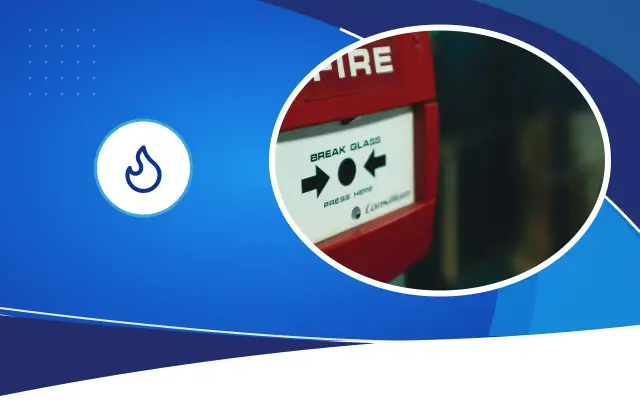
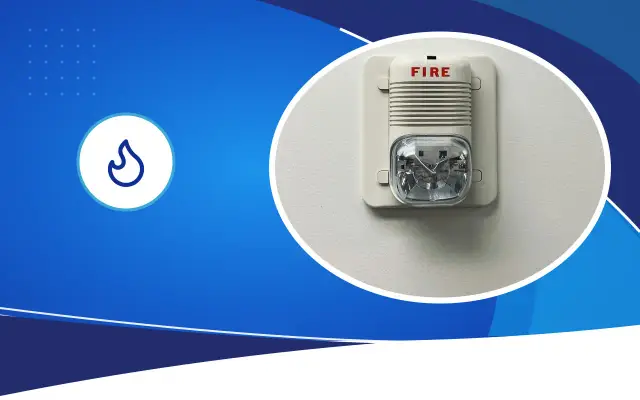
Dust also gets into manual call points, sounders and strobes. Choosing devices with sealed housings and a protection rating suited to the conditions reduces the maintenance burden.
Another source of false alarms is welding and grinding work. If the maintenance team will weld in the production hall, how detection in that zone will be handled temporarily should be decided in advance, and when the work is done, it should be checked that the system is back to normal. Setting up a written permit system for this kind of hot work reduces both false alarms and the real risk of fire.
Detector options for large areas
In warehouses and factories, it is rarely possible to cover every area with a single detector type. The main options used are:
- Beam detector: A beam sent from one end to the other triggers an alarm when smoke cuts across its path. It covers a large area with few devices in wide, high halls.
- Aspirating smoke detection: Air drawn in through small holes in pipes is analyzed by a central detector. It can detect very early; filtered models can be used in dusty environments. Since the detector is at ground level, maintenance is easy.
- Flame detector: It sees the radiation given off by an open flame. It responds quickly in areas with fuel, solvents or flammable liquids.
- Heat detector: Used in production areas where steam and dust are heavy and smoke is considered normal.
- Linear heat cable: Monitors temperature along the entire length of conveyor lines, cable trays and rack aisles.
Expert note: The beam detector's transmitter and receiver should be fixed to a solid wall or column. Sheet-metal roofs and light steel structures flex slightly as they heat and cool during the day; if the beam shifts, the detector gives a fault or a false alarm.
Racking systems and forklift traffic
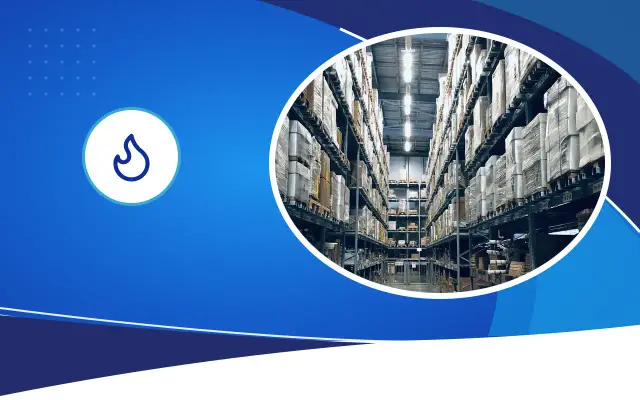
In warehouses with high racks, the racks block the path of smoke. Smoke from a fire that starts on a lower rack level can spread between the racks before reaching the ceiling. In this case, extra detection may be needed in the aisles or at rack levels. Aspirating pipes can be extended into the aisles to meet this need.
In areas with forklift traffic, the beam detector's path can be blocked by a forklift mast or high-stacked pallets. Short interruptions may show up as faults on the panel. When planning the beam path, pallet heights and forklift routes need to be taken into account.
Exhaust from diesel forklifts can also affect smoke detectors. Keep this in mind when choosing the detector type near loading docks.
The stacking layout in a warehouse changes over time. An aisle that was empty during installation can be filled with pallets up to the ceiling a few months later. When you make a major change to the warehouse layout, have the detection layout reviewed as well.
Dividing areas and planning the panel
In factories, areas such as production, storage, offices, the canteen, the compressor room and the electrical panel room carry different risks. Each one gets its own detector type and its own zone or address definition. Addressable panel, makes it easier to manage such different areas in one system and to see which point an alarm comes from.
Think about where the panel goes, too. If the panel is in the security booth or a room where someone is always present, an alarm is noticed immediately. In facilities without a night shift, the alarm should be planned to be reported by phone or to a monitoring center.
The fire panel can be connected to other systems for tasks such as stopping ventilation fans, releasing fire doors or starting the extinguishing system. Which of these connections are needed is determined in the fire protection design.
Locked areas that nobody visits, such as the electrical panel room and the compressor room, are the most often forgotten places.
Maintenance and design
In dusty environments, detectors get dirty faster. Maintenance may be planned more often than in a clean office; the regulations, the manufacturer's instructions and the facility's own conditions decide this together. In aspirating systems, replacing filters and cleaning the pipe holes are part of maintenance.
Fire precautions for factories and warehouses are assessed under the Regulation on Fire Protection of Buildings, according to the facility's use, size and the materials stored. Insurance companies may also have their own requirements. For exact obligations, consult a fire protection designer and your insurance company.
At Desa Bilişim, we install fire detection systems in warehouses and facilities in Şanlıurfa. We can see your facility while it is operating and choose detectors for each area together with you.
Frequently asked
Can a normal smoke detector be installed in a warehouse with a high ceiling?
It can, if the ceiling height is within the limits the product allows. As the height increases, smoke reaches the detector later; in that case, beam or aspirating detection is considered. The decision is made in the design, based on ceiling height and product data.
How do we prevent false alarms in a dusty factory?
In very dusty areas, heat detectors, flame detectors or filtered aspirating systems are used instead of optical smoke detectors. Cleaning the detectors more often and choosing devices with the right protection rating also help.
What detection should be used in a cotton warehouse?
Cotton fiber and dust contaminate smoke detectors and also increase the fire load. Depending on the size of the area and the storage layout, heat detectors, flame detectors or a filtered aspirating system are considered. A final choice is not made without seeing the warehouse on site.
The right detection for your facility
Tell us your warehouse or factory's ceiling height and the materials you store, and we will inspect it on site and prepare a written quote.