
Short answer
In a restaurant kitchen, smoke and steam during cooking are normal; a smoke detector often gives false alarms in this environment. That is why a heat detector that responds to temperature is used in the kitchen, and if there is gas, a gas detector is added as well. In the customer hall, the storeroom and the corridors, a smoke detector notices a fire earlier.
Why does a smoke detector cause problems in a kitchen?
In a kitchen with a kebab grill or a lahmacun oven, there is always some smoke in the air around lunchtime. Grease smoke rising from the grill, soot from the mouth of the tandoor and steam from the dishwasher get inside the smoke detector. The detector cannot tell these from fire smoke and sounds the alarm.
After a few false alarms, one of two things happens in the business: either a bag is put over the detector or that zone is disabled on the panel. In both cases there is no detection in the kitchen. Yet in a restaurant, open flame, hot oil and gas come together most in the kitchen.
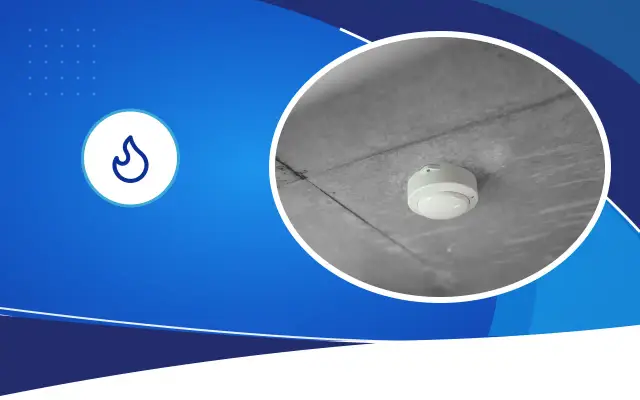
The solution is to choose a detector suited to the kitchen's environment. A heat detector does not care about smoke; it sounds the alarm when the ambient temperature reaches a dangerous level or rises quickly in a short time.
The same problem is seen with stand-alone battery detectors too. A cheap smoke detector stuck above the kitchen counter starts beeping on the first day and has its battery removed the next.
How is a heat detector chosen for a kitchen?
There are two types of heat detectors. A fixed-temperature detector sounds the alarm when the environment reaches a certain temperature. A rate-of-rise detector reacts to sudden heating. Many models combine both features.
At points that get very hot every day, such as right above the stove and oven line, the rate-of-rise feature can produce false alarms; fixed-temperature operation can be preferred at these points. Which temperature class to choose is determined by the kitchen's normal operating temperature and the manufacturer's technical data. In a kitchen with weak ventilation in a Şanlıurfa summer, it is useful to observe how high the ambient temperature rises before installation.
The detector should not be placed right at the mouth of the hood or directly above the stove flame, but at a point on the kitchen ceiling where hot air collects yet is not directly exposed to flame and grease vapor. If greasy vapor builds up on the detector, the device gets dirty over time.
Expert note: Do not forget to have the heat detectors in the kitchen cleaned during maintenance. A layer of grease and soot can lengthen the time the detector takes to sense temperature. A very dirty detector may need to be replaced rather than cleaned.
A separate precaution for gas leaks
Most restaurants use natural gas or bottled gas. A gas detector senses a leak, not a fire, and gives a warning before the gas reaches a flammable concentration. With a suitable connection, it can automatically close the solenoid valve on the gas line.
In placement, attention is paid to the type of gas. Natural gas is lighter than air and rises toward the ceiling; its detector is mounted near the ceiling. Bottled gas, that is LPG, is heavier than air and sinks to the floor; its detector is mounted near the floor. Follow the manufacturer's instructions for the exact mounting height.
Keeping the cylinders outside the kitchen in a ventilated area, and regularly checking hoses and regulators, are also part of gas safety. On this matter, follow the instructions of the gas distribution company and the authorized installer.
- Open flame and grill
- High kitchen temperature
- Grease buildup in the hood
- Heavy use of electrical appliances
- Crowded customer hall
- Poorly maintained gas installation
Hood and flue: beyond detection
A common source of kitchen fires is grease buildup in the hood and flue. A heat detector can detect a fire that starts here but does not put it out. For this reason, many commercial kitchens install a separate automatic suppression system for the hood.
A suppression system is a separate system outside the fire alarm panel, working with its own detection and triggering arrangement. Which kitchens need one is determined in the project according to the regulation and the characteristics of the business. If one is installed, it is useful for the information that the suppression system has activated to be passed on to the fire panel as well.
Regularly cleaning the hood filters and the flue duct is at least as important as detection. The less grease buildup there is, the lower the risk of the fire spreading.
Dining hall, storeroom and other areas
The restaurant's areas outside the kitchen call for a different approach. Smoke detectors are used in the customer hall, storeroom, staff room and corridors. Noticing a fire early in these areas buys time for evacuating a crowded hall.
In sections near open areas where hookah or cigarettes are smoked, the location of the smoke detector must be chosen carefully. If there is a charcoal grill or cooking at the table in the hall, a heat detector or a multi-sensor detector is considered for that area too.
In the storeroom, oil, paper packaging and cleaning supplies sit together. Keeping these materials away from the electrical panel and hot appliances makes as much difference as a detector.
- Cooking area: heat detector
- Area where gas is used: gas detector suited to the type of gas
- Hood: separate suppression system depending on the project
- Customer hall, storeroom, corridor: smoke detector
- Hall with cooking at the table: heat or multi-sensor detector
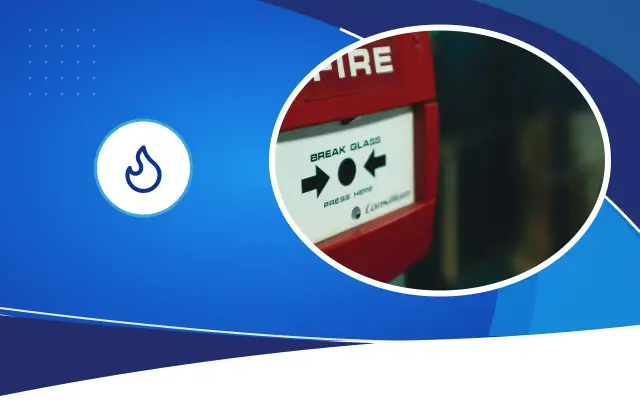
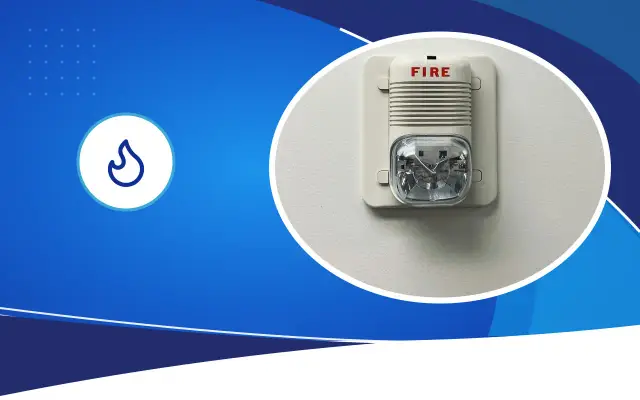
- Exits: manual call point, sounder audible in the hall
What should staff do?
The detection system sounds the alarm, but the first response is often made by the cook in the kitchen. Every staff member should know that pouring water on burning oil on the stove makes the flames bigger, that shutting off the gas at the main valve is the first step, and where the fire blanket or kitchen-type extinguisher is kept.
A short introduction is enough for newly hired waiters and kitchen helpers: where the manual call point is, how the hall is emptied, which door customers are directed to. During the evening rush, emptying a crowded hall takes minutes if it has not been discussed beforehand.
The location and refill dates of extinguishers should also be checked regularly. Choose the type of extinguisher to be used in the kitchen by consulting an authorized company.
When opening a business and during inspection
When you open a restaurant, fire precautions may be examined by the fire department during the business opening process. Which precautions are required varies with the size of the business, its capacity and the building it is in. If you are renting a shop, asking your municipality and the fire department about this before signing the contract lets you see in advance the costs that will come up after opening.
If you are not sure about your obligations, consult the relevant unit of the municipality or a fire safety specialist. This article gives general information and does not replace an assessment specific to your business.
At Desa Bilişim, we install fire detection systems in restaurants and cafes. We can see your kitchen during working hours and decide the detector types and locations together.
Frequently asked
Which detector is installed in a restaurant kitchen?
A heat detector is installed over the cooking area, because smoke and steam keep setting off a smoke detector. If gas is used, a gas detector is added at a height suited to the type of gas. In the dining hall and the storeroom, a smoke detector is used.
Does a hood suppression system replace a fire alarm?
No, they do different jobs. A hood suppression system puts out a fire on the cooking line; a fire alarm provides detection and warning across the whole building. It is useful for the two systems to pass information to each other.
The detector in the kitchen keeps beeping, can I switch it off?
Do not switch it off; first check the type of detector. If a smoke detector has been installed in the kitchen, it needs to be replaced with a heat detector. If a heat detector alarms often, its temperature class or location should be reviewed.
Detection suited to your kitchen
Let's see your business's kitchen and dining hall on site, and prepare a written quote for a detection layout that will not give false alarms.