
Short answer
In the Harran Plain, the most valuable equipment in the field is often the irrigation pump, the solar panels and the cables. To protect them, first secure the panels and the pump with a solid installation, then consider a camera or alarm powered by solar energy that sends images over a mobile line. If there is no mains power or internet, the system's power and connection need to be planned from the start.
What are you protecting in the field?
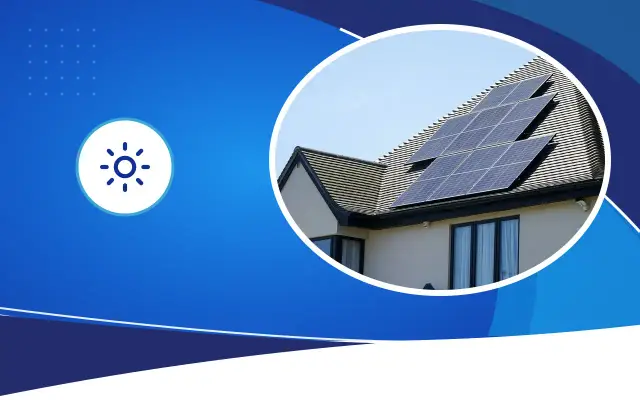
As irrigated farming spreads in the Harran Plain, the equipment left in fields has also increased. The submersible pump at the wellhead, the solar panels that power it, inverter or the pump drive, long cable runs, and tools kept in a shed or under a pergola are exposed to theft when left unattended. Then there are movable vehicles such as tractors and trailers.
Before starting the protection plan, make a list: which equipment stays in the field all the time, which is there only during the season, which can be brought home at night? It makes sense to base the protection investment on the most expensive and most easily removed part. On most farmland, this is the panel and cable group and the pump drive.
For movable vehicles such as tractors, trailers or construction machines, the situation is different. Instead of trying to protect them in the field with a camera, installing a tracking device on the vehicle works better. When the vehicle moves at a time that is not allowed or leaves an area you have set, you get an alert on your phone and see the vehicle's position on a map. A camera shows what happened after the vehicle was taken; a tracking device shows where the vehicle went.
First line of defense: solid mounting
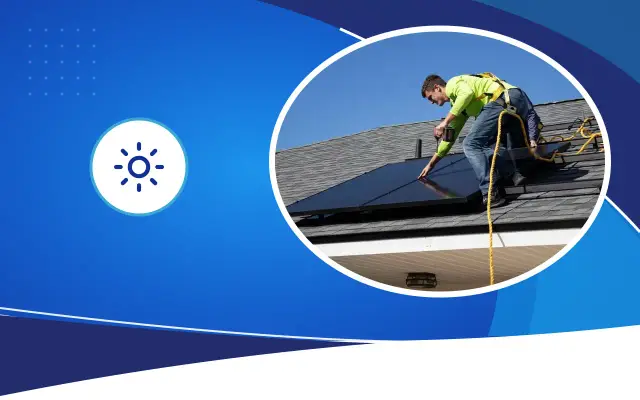
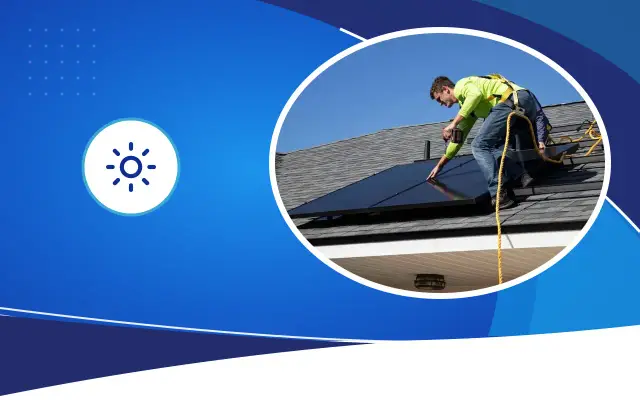
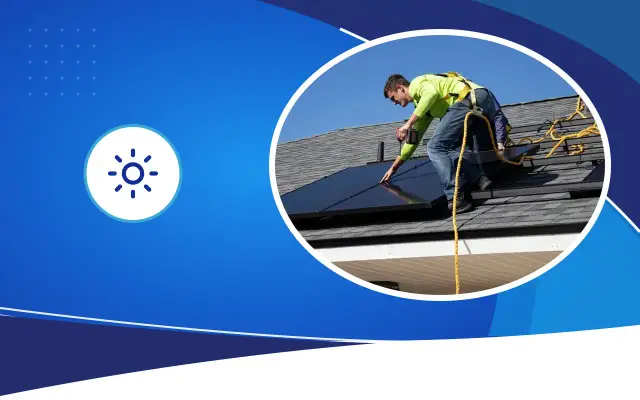
A camera or alarm deters the thief and records the incident. But it does not stop the equipment from being removed easily. So the first job is physical protection. Fixing the panels to the support structure with fasteners that are hard to remove, keeping the inverter or pump drive in a locked, sturdy cabinet, and running the cables buried or in a protected conduit instead of leaving them exposed all make the thief's job longer.
Every extra minute increases the risk of being caught. Giving a thief in the field a reason to hurry works better than reviewing recordings afterward.
- Use special-head fasteners that are hard to remove for the panels.
- Put the pump drive and inverter in a locked metal cabinet.
- Bury the cables as much as possible or run them in a protected conduit.
- Close the wellhead with a locked cover.
- Keep tools and small equipment in a locked shed.
How does the camera work if there is no electricity?
If there is no mains power on the land, the camera is powered by its own small solar system: a panel, a charge controller and a battery. During the day the panel charges the battery, and at night the camera runs from the battery. The critical question here is: how many hours does the battery last through consecutive cloudy or dusty days?
This calculation depends on the consumption of the camera and modem, how long the infrared light stays on in night vision, and the battery capacity. Choosing the panel and battery too small is the most common mistake; the system works fine in summer and shuts down at midnight in winter. Since production drops when dust covers the panel, you need to leave some margin.
If the large irrigation system in the field already runs on solar energy, it may occur to you to power the camera from it. This may be possible, but if the irrigation system is built to shut down when the pump is not running, the camera shuts down too. It is safer for the camera to have a separate, uninterrupted supply line.
Expert note: In a solar-powered camera system, putting the panel, battery and camera on the same pole both makes installation easier and reduces the risk of cable theft. Mount the battery box high off the ground and locked.
- 1List the equipment to protect
- 2Fix panels and cabinets solidly
- 3Choose the camera pole location
- 4Calculate solar and battery power
- 5Test mobile reception on site
- 6Set up notification and siren
How does the image arrive if there is no internet?
There is often no wired internet on farmland. There are two common ways to send the image to a phone. The first is to use a 4G modem in or next to the camera; this requires a mobile line to get reception on the land. The second, if there is a house or shed nearby with internet, is to set up a wireless bridge directed to it.
If you will use 4G, try with your phone which operator gets reception at the exact installation point in the field. Sending the image continuously uses mobile data. Recording to the memory card in the camera and getting a notification on your phone only when motion is detected protects both data and energy.
Camera, alarm, or both?
A camera records the incident; an alarm sounds immediately and notifies you. Only recording while no one is in the field lets you see who came the next morning but does not save the equipment. A system that sounds a siren and sends a notification to your phone when motion is detected gives you a chance to respond.
On wide open land, a sensor that detects every movement gives constant false alarms: dogs, plastic blown by the wind, even birds. Focusing the sensor only on the wellhead, the panel group and the area around the cabinet gives a better result. If the camera has smart detection, filtering out movements other than people and vehicles also reduces false alarms.
Pole location and field of view
Placing the camera too close to the equipment you want to protect makes it easier for the thief to break the camera first. Placing it too far makes the face and plate unreadable. A pole at a height that is hard to reach and that sees both the entrance road to the field and the panel group is usually a good start.
The range of night vision varies with the camera model. On open land, with no wall in the background to reflect light, the image can be darker than the same camera gives in a courtyard. Be sure to watch the first night after installation.
To clarify before installation
There is no single ready-made package for field security; the size of the land, the location of the well and panels, mobile reception and the distance from home make every installation different. Before asking for a quote, describe the location of the land, the list of equipment to protect and, if there is one, the existing solar system.
Desa Bilişim installs both agricultural solar power and security cameras in Şanlıurfa. You can ask us to come to your land and assess the pole location, the energy need and the connection option on site.
Frequently asked
Can a camera be installed in a field with no electricity?
Yes. The camera is powered by a small solar panel, a charge controller and a battery; the image is transmitted through a 4G modem or a wireless bridge to a nearby building. The panel and battery must be sized for the camera's consumption and the short days of winter.
What can be done against solar panel theft?
Physical measures come first: fasteners that are hard to remove, a locked cabinet and a protected cable run. On top of that, you can add a camera that sees the panel group and an alarm that sounds a siren and sends a phone notification when motion is detected.
How much mobile data does a field camera use?
It depends on the resolution of the image, whether it is sent continuously or only when there is motion, and how often you watch live. Storing the recording on the camera and sending only an event notification to your phone noticeably reduces data use.
Let's plan your land together on site
Write the location of your field and the equipment you want to protect in the quote form, and we will call you for a site survey.