Short answer
Dust screens the light on the panel surface, while heat reduces the efficiency of the cells; in Şanlıurfa the two come together in the same season. Panels are cleaned with a soft cloth or sponge, with soft water if possible, and during cool hours. How often to clean varies by site; the most accurate measure is whether the production in the inverter app has dropped compared with earlier values under the same conditions.
How does dust reduce production?
A solar panel works with the light that passes through the glass on its surface. Dust that builds up on the glass blocks some of that light. A thin, evenly spread layer of dust reduces production gradually; local stains such as bird droppings or leaves completely shade part of a cell and can cause a larger loss.
The effect of a stain can be bigger than it looks. The cells in a panel are connected in series; when one cell is shaded, the protection diodes inside the panel kick in and a section of the panel may drop out. Stains that stay for a long time can also cause local heating in the cell (a hot spot). That is why cleaning bird droppings without waiting is a good habit.
In Şanlıurfa, sources of dust change with the season. In summer, dry soil, field dust during harvest and plowing periods, and on some days dust clouds carried from far away reach the panels. In rainy months, rain washes off part of the dust, but dirt that collects as mud on the lower edge may not go away with rain.
Why does heat reduce a panel’s efficiency?
Solar cells produce less electricity as they heat up. The power written on the panel’s label is measured at a specific standard temperature. In a Şanlıurfa summer, the temperature of a panel on a roof goes far above that value, so around midday the panel works below its label power. This is how the physical structure of the cells works, and it is seen in every panel.
What you can do is keep the panel as cool as possible. Mounting that leaves a gap under the panel for air circulation runs cooler than mounting flush against the roof. Heat-resistant cables and connectors, and placing the inverter somewhere airy and out of direct sun, serve the same purpose.
Expert note: It is normal for production at summer noon to be lower than on a sunny spring day. If you suspect a fault, compare similar days of the same season.
How often should panels be cleaned?
There is no schedule that fits everyone. A panel on a sloped roof in the city that gets rain and a panel in the middle of a field during harvest get dirty at very different speeds. The right approach is to monitor production and see the effect of dirt on it.
Most inverters come with an app that lets you monitor daily production from your phone. If production drops clearly on clear days with similar temperatures, and you see a layer of dust when you look at the panels, it is time to clean. If you note production before and after cleaning in the first year, you will learn the right interval for your own site.
- Monitor production regularly in the app
- Clean in the cool hours with soft material
- Remove bird droppings without waiting
- Check the bolts and the structure
- Look for heating marks on the connectors
- Clean the inverter’s ventilation
- Check that the cables are protected
- Provide safe access on the roof
How to clean correctly
The glass of the panel is durable, but the anti-reflective coating on its surface can be damaged by wrong cleaning. Pay attention to these rules when cleaning:
- Clean early in the morning or in the late afternoon, while the panel is cool
- First remove dry dust with a soft brush, then rinse with water
- Use a soft sponge, a microfiber cloth or a panel brush
- Hard water can leave limescale marks; use soft water if possible
- Do not use detergent, solvents or abrasive materials
- Do not aim a pressure washer directly at the panel
- Do not step on the panels, sit on them or put tools on them
Safety: cleaning on a roof is risky work
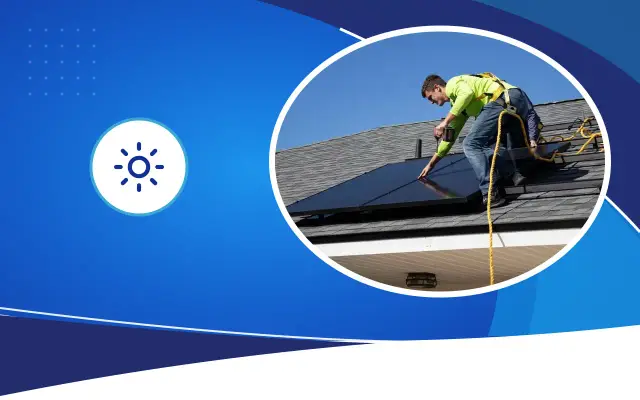
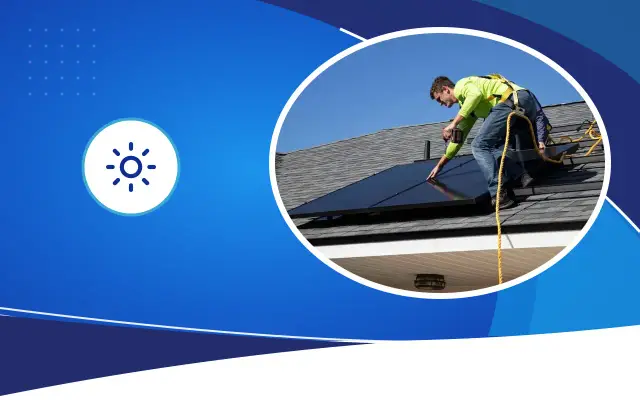
Panel cleaning is often done at height. On a sloped roof, next to a wet panel or on a flat roof without a railing, the risk of falling is serious. Do not clean it yourself on a roof that has no safe way up, a safety-harness anchor point if needed, or a walkway.
Do not forget the electrical side either. Panels produce voltage as long as they see sunlight; switching off the inverter does not remove the voltage in the panel cables. If you see a broken panel, an exposed cable or a burn mark, stop cleaning with water and tell the service.
Long-handled brushes are a good solution for panels that can be reached from the ground or from the edge of the roof. On large ground-mounted systems, cleaning is a team job, and matters such as carrying water and the access road are planned at the installation stage.
What is checked in the annual maintenance?
Cleaning is only one part of maintenance. At least once a year, preferably before the summer season starts, a general check of the system is done. In this check, the tightness of the supporting bolts, cracks or discoloration on the panels, heating marks on the connectors, whether the cables are protected from the sun and from rodents, and the grounding connections are reviewed.
Dust that builds up at the inverter’s air inlets and outlets makes it harder for the device to cool itself. In a Şanlıurfa summer, an inverter that overheats reduces its output or shuts down. Cleaning the ventilation openings and the temperature of the place where the inverter sits must be on the maintenance list.
An inspection with a thermal camera reveals hot spots that cannot be seen by eye. Especially in large systems, this inspection helps find a faulty cell or a loose connection early.
Making maintenance easier at the installation stage
How hard maintenance will be is largely decided at installation. Leaving walking space between panel rows, being able to get onto the roof with a safe ladder or hatch, and having a water tap nearby make cleaning easier for years. The tilt of the panel matters too: panels installed too flat are cleaned less by rain, and dust and mud collect on the lower edge.
In systems built in the field, not placing the panels too close to a source of dust, such as a dirt road or a threshing floor, slows down soiling. Putting a fence around the site keeps animals away and also reduces the chance of a tractor or trailer hitting the panels.
Ask the installation team for a short maintenance note specific to your system: the location of the inverter, where the main switch is, whom to call in which situation, and the login details for the monitoring app. This note saves time when a fault occurs.
Keep cleaning and maintenance records in a simple notebook or on your phone: which day it was cleaned, what the production was before and after, which check was done. After a year, these records show the cleaning interval that suits your site best and the real difference in production between summer and winter. They also make the team’s job easier when you call for service.
Frequently asked
Can I wash a solar panel with a hose?
You can wash it with a normal-pressure hose while the panel is cool. A pressure washer, detergent and a hard brush can damage the panel’s coating and seals. Also look at the manufacturer’s cleaning recommendations.
Is rain enough to clean the panels?
Partly. Rain washes off fine dust, but bird droppings and mud that collects on the lower edge usually remain. In summer months with little rain, manual cleaning is needed.
Do I need to call a company to clean the panels?
If you can reach them from the ground or from a safe flat roof, you can do it yourself. On sloped, high or railing-free roofs and on large ground-mounted systems, professional help is the better choice because of the risk of falling and electrical risk.
For the annual check of your system
If your production has dropped or you want a pre-season check, have the Desa Bilişim team inspect your system on site.